LOGISTICS
OUR LOGISTIC SERVICE
Our strategic buying is done through our registred offices in Dallas & London. This accords us proximity to suppliers and manufacturers situated in Europe and the U.S. As well as allows us to get better shipping rates from freight and shipping companies.
The supply of chemicals & materials to our clients is facilitated by our logistics expertise.

Global Sea & Air Freight
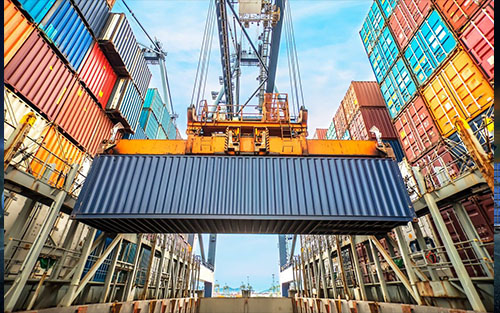
Customs Clearance & Importation

Urgent Shipments & Expediting
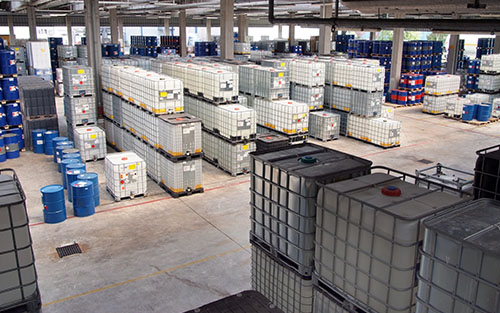
Storage & Warehousing
With our network of service providers we operate warehouses on 3 continents and have invested in today’s technology which allows us to monitor shipments & timelines, around the clock from pick up stage in one continent to its finally destination in another, & at the same time provide management reports to our clients.
Our technology enables us to provide our clients detailed & updated information on their shipments allowing them to adjust their inventory schedules, manage their supply chains & reduce inventory carrying costs. Through our network of seasoned service providers & freight agents we provide prompt duty processing services, blanket import permit applications. This ensures timely delivery of clients’ shipments keeping their import processes on schedule, thus reducing costs.
Our Clients



FAQS
We take care of the entire process of procurement, from sourcing, finance, shipping, clearing, delivery and warehousing as well as keeping adequate inventory of existing stock.
Our procurement process for new clients involve :
1. Identify the need: The first step in the procurement process is to identify the need for a product or service that is not currently being provided in-house. This could involve analyzing existing processes and identifying areas where improvements can be made.
2. Develop the specifications: Once the need has been identified, the organization should develop specifications for the product or service required. This could include defining the scope of work, the budget, and any relevant timelines.
3. Identify potential suppliers: We identify potential suppliers / OEM's who are capable of providing the required product or service. This could involve conducting market research, requesting referrals from industry contacts, or advertising the opportunity publicly.
4. Evaluate proposals: we evaluate the proposals received from the suppliers. This could involve reviewing the supplier's experience, expertise, and capabilities, as well as their proposed pricing and delivery timelines.
5. Select the supplier: Based on the evaluation criteria, the organization should select the supplier that best meets their requirements.
6. Negotiate the contract: The organization should negotiate the contract terms with the selected supplier. This could involve finalizing the scope of work, pricing, delivery timelines, and any other relevant terms and conditions.
7. Await Clients purchase Order: Once the purchase order has been negotiated and finalized, we select the supplier.
8. Contract management: We manage repeat and recurring orders throughout its duration of the contract to ensure that the supplier delivers the required product or service in accordance with the agreed-upon terms and conditions, as and when needed, avoiding stock out situations.
Safe clearance refers to ensuring that an area is free from any potential hazards or risks before allowing people to enter or work in that area. The specific measures that are taken to guarantee safe clearance will depend on the type of hazard or risk that needs to be cleared.
For example, if the hazard is a chemical spill, safe clearance might involve using appropriate personal protective equipment (PPE) for workers and ensuring proper containment, cleanup, and disposal of the spilled material. In this case, trained personnel may also need to perform air monitoring and other safety checks to ensure that the area is safe to enter.
Similarly, if the hazard is a physical obstruction, safe clearance might involve removing the obstruction or putting up barriers to prevent people from entering the area until it has been cleared.
To guarantee safe clearance, it's essential to follow established safety procedures, conduct regular safety inspections, and train personnel on hazard identification and mitigation. Additionally, it's important to have emergency response plans in place in case an unforeseen hazard arises.
Yes, you can auto track your shipments using a variety of tracking services that are available online. Many shipping companies offer online tracking services that allow you to track your shipments in real-time. These services typically provide you with a tracking number that you can use to check the status of your shipment at any time.
To track your shipment, you will need to enter the tracking number into the tracking service's website or mobile app. Once you do that, the tracking service will provide you with detailed information about your shipment, such as its current location, delivery status, and estimated delivery date.
In addition to tracking services offered by shipping companies, there are also third-party tracking services that allow you to track shipments across multiple carriers. These services typically require you to enter the tracking number and carrier information for each shipment that you want to track.
Overall, auto tracking your shipments can help you keep track of your inventory, monitor delivery times, and ensure that your customers receive their orders on time.
We offer expedited or express shipping options for customers who need their shipments delivered quickly.
Depending on the shipping company and the destination, expedited shipping may involve using air freight, overnight delivery, or same-day delivery services. These options typically come with a higher cost than standard shipping services, but they can be very useful when time is of the essence.
If you need your shipment delivered quickly, we will offer you the various options available, compare their expedited shipping options and rates. You can also contact these companies directly to get more information about their services and to see if they can accommodate your specific needs.