Specialty Chemicals for Mid and Downtream
Providing downstream solutions for access to quality products
Objective:
Refining Solutions for Quality Products in a Global Market
As the world becomes increasingly connected, businesses need to be able to access quality products from global partners to remain competitive. We provide solutions for downstream refining that can help clients access and produce the quality products they need to keep up with the international market.
Sourcing Quality Products from Around the World
At our platform, we understand that sourcing quality products from around the world is essential for staying competitive in the international market. That’s why we offer a variety of solutions for downstream refining, along with a network of global partners, to ensure that our clients have access to the best quality products available
Connecting Clients with Global Partners
Our platform connects clients with global partners in order to provide access to the highest quality products. By leveraging our network of partners, clients can refine their products to meet the standards of the international market. We also provide solutions for downstream refining, so clients can produce the best quality products for their customers.
Achieve Quality Products for a Competitive Market
Our platform and solutions for downstream refining are designed to help clients achieve quality products for a competitive international market. With access to global partners and solutions for refining, our clients can stay ahead of the competition and remain successful in the global market.
Take the first step towards achieving quality products for a competitive global market. Contact us today to learn more about our platform and solutions for downstream refining.
Overview:
FUEL ADDITIVE SOLUTIONS IN THE MANUFACTURE OF GASOLINE, MIDDLE DISTILLATES, AVIATION AND RESIDUAL FUELS

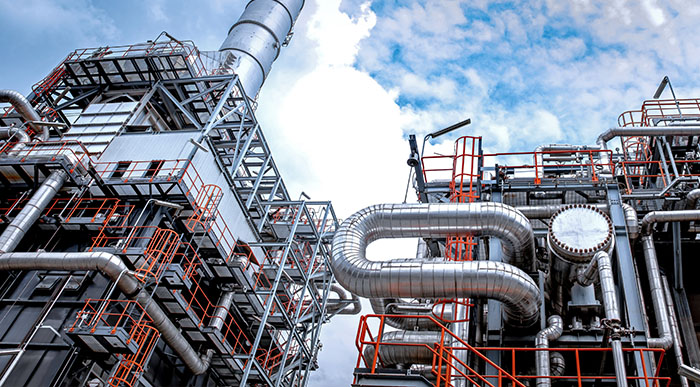
Fuel additive solutions play a critical role in the manufacture and quality control of various fuels, including gasoline, middle distillates, aviation, and residual fuels. These solutions are used to enhance the performance, reduce emissions, and increase the fuel efficiency of these fuels. In this article, we will delve into some of the most common types of fuel additive solutions and their benefits.
One of the most prevalent types of fuel additive solutions is the octane booster, primarily used for gasoline fuels. Octane boosters are chemical compounds added to fuel to increase its octane rating, which measures its ability to resist engine knock. Engine knocking occurs when the fuel and air mixture in the engine ignite prematurely, resulting in a knocking sound that can cause engine damage over time. By increasing the octane rating, octane boosters improve engine performance and longevity.
Similarly, cetane improvers are additives used in diesel fuels to improve their ignition qualities and prevent diesel “knock.” Octane boosters and cetane improvers are critical to ensuring that gasoline and diesel engines operate safely and efficiently.
Another class of fuel additive solutions is antioxidants, which prevent the oxidation of fuel. Oxidation can lead to the buildup of sludge and other harmful deposits that can clog fuel lines, disrupt engine performance, and accelerate wear. Antioxidants prolong the shelf life of fuels and maintain their quality over time.
Fuel detergents are another additive solution that helps to keep engines running smoothly. They prevent the buildup of deposits on fuel injectors, carburettors, and valves, which can affect vehicle performance and fuel efficiency. Detergents help to keep engines clean and healthy, preventing costly repairs and maintenance.
Fuel additives are also utilized in the aviation industry, primarily as anti-icing agents. Since aviation fuels need to remain liquid at very low temperatures, anti-icing agents are added to prevent the formation of ice crystals that can clog fuel pumps and filters.
Finally, residual fuels, which are higher in sulphur content, require desulfurization additives to reduce their sulphur emissions. These additives play a critical role in meeting environmental regulations and are therefore crucial in ensuring that residual fuels meet regulatory compliance.
Fuel additive solutions are crucial in enhancing fuel quality, improving engine performance, ensuring regulatory compliance, reducing emissions, and optimizing fuel efficiency. With the ever-growing demands for cleaner fuels, the demand for effective and efficient additive solutions cannot be overstated. As such, manufacturers, researchers, and regulatory agencies must continue to invest in the research and development of innovative fuel additive solutions.
At our chemical supply unit, we are committed to providing premium-quality fuel additive solutions for the manufacture of gasoline, middle distillates, aviation, and residual fuels. Our fuel additives are expertly designed and formulated to optimize the performance of your fuels, in terms of efficiency, safety, and environmental compliance.
But that’s not all we do. We understand the challenges associated with managing overhead corrosion due to frequent low pH excursions, chlorides, iron and ammonia, and how these issues can have a significant impact on CAPEX costs. Therefore, we offer an array of corrosion inhibitors and technologies, tailored to your specific needs, to help mitigate and prevent corrosion-induced damage and deterioration of your assets.
Our professional team of chemists and technical experts work diligently to provide the most innovative and effective robust solutions for your chemical supply needs. From customized formulations to product application and technical service, we strive to ensure that our clients are thoroughly satisfied with our services.
At our chemical supply unit, we provide top-notch solutions that exceed industry standards, while ensuring complete customer satisfaction. Trust us to provide you with the highest quality fuel additive and corrosion management solutions available on the market.
Management of Desalters and Overhead Corrosion
Crude Tankage Pretreatment – Stabilizing crude oil quality by maximising the amount of water removed from the crude prior to being charged to the crude unit. Feeding a more stable and consistent crude quality to the desalters reduces the risk of upsets, ensures performance is under control and minimizes the risks to downstream process units.
Improve Desalter Performance; Reduce TCO
Crude oil receipts that have basic sediment and water (BS&W) levels above 0.5 percent can potentially benefit from additional water separation. Tankage pretreatment (dehydration), in which specific demulsifier chemistry is added to the crude as it is received, is often recommended under the following conditions:
- Crude receipts are inconsistent in quality (usually barge or tanker shipments)
- Crude receipts contain >0.5 percent water.
- Poor water/oil separation is seen in tank farm operations.
- Salt concentration in the desalted crude is consistently high.
- The desalter system is running at or above design resulting in overhead chloride targets that are difficult to achieve.
Stabilizing the quality of the crude being fed to the desalters often results in reduced demulsifier dose rates at the desalter and a reduction in the frequency of desalter upsets and their associated impacts on downstream units.
Crude Unit Contaminate Removal
Processing lower quality crude oils such as those containing high levels of oil soluble metals, inorganic metal contaminants and tramp amines provide the potential for higher profit margins. Unfortunately, the presence of these contaminants can raise the risk and reduce the benefit of processing opportunity crudes.
Process a Wider Variety of Challenging Crudes
Both a chemical and an operational solution, innovative technology to effectively remove contaminates such as calcium, iron, mercury and tramp amine species, allowing the refinery to process a wider variety of challenging crude oils.
Proprietary chemistries remove these troublesome contaminants and are characterized by:
- High removal efficiencies
- High solubility in water
- Minimum impact on the crude distillation unit and the wastewater treatment plant
Crude Unit preheat and furnace Fouling: mainly in heavier opportunity crudes and light tight oils (LTOs). High filterable solids, high metals loading, and poor feedstock compatibility can all impact fouling rates. This fouling can directly impact equipment efficiency, unit run length and energy costs. We provide solution aimed to minimise costs associated with fouling and provide proven energy savings.
Desalting: Managing challenging crude
Refinery Equipment Cleaning: Removal of hydrocarbon vapors and preparation of tanks, exchangers, piping, and vessels during maintenance activities can be costly due to the time and manpower involved. Reduce the costs associated with having your unit off-line with Nalco Water cleaning solutions. We help remove deposits, clear the system of residual hydrocarbon and degas the atmosphere while reducing the time from end of operation to when maintenance work can be started.
Amine units remove acid gases, such as H2S. Their good operation is critical to optimum product quality, environmental compliance and the overall reliability of the refinery. Amine unit corrosion and foaming problems can cause refinery-wide rate reductions or even shutdowns, severely impacting the Total Cost of Operation (TCO). Our solutions provide corrosion and foaming control programmes to help refiners protect their amine units and TCO.
Slop Oil Management:
Slop oils vary widely in their composition and physical properties. These streams can represent a major issue for the refinery since they often cause operational problems when reprocessed. The processing of slop oil can result in upsets, impacting desalter performance, crude unit and other downstream units, and wastewater treatment plant operations. Here we proffer solutions were slop oil can be safely reprocessed with minimal impact on refining facilities.
Our Clients



FAQS
We take care of the entire process of procurement, from sourcing, finance, shipping, clearing, delivery and warehousing as well as keeping adequate inventory of existing stock.
Our procurement process for new clients involve :
1. Identify the need: The first step in the procurement process is to identify the need for a product or service that is not currently being provided in-house. This could involve analyzing existing processes and identifying areas where improvements can be made.
2. Develop the specifications: Once the need has been identified, the organization should develop specifications for the product or service required. This could include defining the scope of work, the budget, and any relevant timelines.
3. Identify potential suppliers: We identify potential suppliers / OEM's who are capable of providing the required product or service. This could involve conducting market research, requesting referrals from industry contacts, or advertising the opportunity publicly.
4. Evaluate proposals: we evaluate the proposals received from the suppliers. This could involve reviewing the supplier's experience, expertise, and capabilities, as well as their proposed pricing and delivery timelines.
5. Select the supplier: Based on the evaluation criteria, the organization should select the supplier that best meets their requirements.
6. Negotiate the contract: The organization should negotiate the contract terms with the selected supplier. This could involve finalizing the scope of work, pricing, delivery timelines, and any other relevant terms and conditions.
7. Await Clients purchase Order: Once the purchase order has been negotiated and finalized, we select the supplier.
8. Contract management: We manage repeat and recurring orders throughout its duration of the contract to ensure that the supplier delivers the required product or service in accordance with the agreed-upon terms and conditions, as and when needed, avoiding stock out situations.
Safe clearance refers to ensuring that an area is free from any potential hazards or risks before allowing people to enter or work in that area. The specific measures that are taken to guarantee safe clearance will depend on the type of hazard or risk that needs to be cleared.
For example, if the hazard is a chemical spill, safe clearance might involve using appropriate personal protective equipment (PPE) for workers and ensuring proper containment, cleanup, and disposal of the spilled material. In this case, trained personnel may also need to perform air monitoring and other safety checks to ensure that the area is safe to enter.
Similarly, if the hazard is a physical obstruction, safe clearance might involve removing the obstruction or putting up barriers to prevent people from entering the area until it has been cleared.
To guarantee safe clearance, it's essential to follow established safety procedures, conduct regular safety inspections, and train personnel on hazard identification and mitigation. Additionally, it's important to have emergency response plans in place in case an unforeseen hazard arises.
Yes, you can auto track your shipments using a variety of tracking services that are available online. Many shipping companies offer online tracking services that allow you to track your shipments in real-time. These services typically provide you with a tracking number that you can use to check the status of your shipment at any time.
To track your shipment, you will need to enter the tracking number into the tracking service's website or mobile app. Once you do that, the tracking service will provide you with detailed information about your shipment, such as its current location, delivery status, and estimated delivery date.
In addition to tracking services offered by shipping companies, there are also third-party tracking services that allow you to track shipments across multiple carriers. These services typically require you to enter the tracking number and carrier information for each shipment that you want to track.
Overall, auto tracking your shipments can help you keep track of your inventory, monitor delivery times, and ensure that your customers receive their orders on time.
We offer expedited or express shipping options for customers who need their shipments delivered quickly.
Depending on the shipping company and the destination, expedited shipping may involve using air freight, overnight delivery, or same-day delivery services. These options typically come with a higher cost than standard shipping services, but they can be very useful when time is of the essence.
If you need your shipment delivered quickly, we will offer you the various options available, compare their expedited shipping options and rates. You can also contact these companies directly to get more information about their services and to see if they can accommodate your specific needs.